
Introduction
Skin cancer has quietly become a major health concern worldwide. What used to be considered rare is now something millions of people face every year. Factors like more sun exposure, changing environments, and modern lifestyles are all contributing to this rise.
The good news is that skin cancer is often very treatable—especially if it’s caught early. Many of us tend to ignore small changes in our skin, thinking they’re harmless. But that small delay can sometimes turn into something serious. Spotting it early gives doctors a much better chance to treat it effectively, which can save lives and make recovery smoother. Lately, Thailand has been making a name for itself as a destination for advanced cancer care. People from around the world are traveling there not just for skin cancer treatment, but also for other challenging conditions like bladder cancer or kidney cancer. The country’s combination of skilled doctors, modern facilities, and patient-focused care has earned it a strong reputation in the medical community.
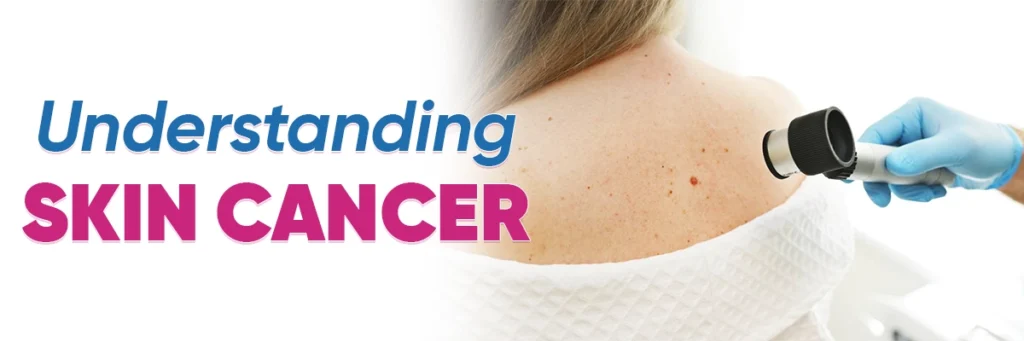
Understanding Skin Cancer
Skin cancer happens when the cells in your skin start growing in a way they’re not supposed to. Normally, skin cells follow a regular life cycle, but sometimes their DNA gets damaged—most often from too much sun exposure. When that happens, the cells can start multiplying uncontrollably, leading to cancerous growths.
In the beginning, skin cancer usually stays on the surface of the skin, which means it can often be treated with relatively simple procedures. But if it’s left unchecked, it can spread to deeper tissues, nearby lymph nodes, or even other parts of the body. That’s when treatment becomes more complicated and intensive.
Knowing how skin cancer develops helps us understand why catching it early makes such a huge difference. Spotting the warning signs early can make treatment simpler and significantly improve outcomes.
What Does Skin Cancer Look Like?
Skin cancer doesn’t always look the same—it can show up in different ways depending on the type and how advanced it is. Sometimes it appears as a shiny or pearly bump, other times as a red, scaly patch, or even as a dark, irregular mole that looks different from the rest of your skin.
One helpful way doctors check for melanoma is the ABCDE rule. They look for spots that are Asymmetrical, have irregular Borders, show uneven Color, are larger than usual (Diameter), or are Evolving in shape or size. Not every unusual mole is cancer, of course, but noticing changes like these is a strong reason to see a dermatologist.
Just paying attention to your skin and keeping an eye out for anything unusual is one of the simplest—and most effective—ways to catch skin cancer early.
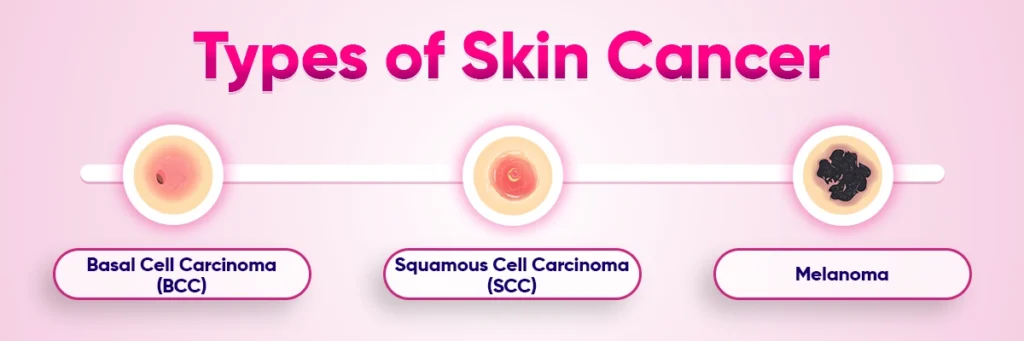
Types of Skin Cancer
Basal Cell Carcinoma (BCC)
Basal cell carcinoma is the most common type of skin cancer. It usually shows up in areas that get a lot of sun, like your face, neck, and arms. Basal cell carcinoma grows slowly and doesn’t often spread to other parts of the body, but if it’s ignored, it can cause noticeable damage to the skin in that area.
Signs to watch for:
- Shiny or pearly bumps
- Small sores that just won’t heal and may bleed occasionally
- Waxy, scar-like patches or slightly raised areas
- Sometimes redness or irritation around the spot
The good news is that Basal cell carcinoma progresses slowly, so catching it early usually means it can be treated very successfully.
Squamous Cell Carcinoma (SCC)
Squamous cell carcinoma is a bit more aggressive than Basal cell carcinoma. If left untreated, it can spread to nearby tissues or lymph nodes. Like Basal cell carcinoma, it often appears on sun-exposed areas such as the face, ears, neck, and hands. Protecting your skin from the sun is key to reducing your risk.
Signs to watch for:
- Red, scaly patches
- Thickened or rough areas that gradually grow
- Open sores that may bleed, crust over, or become painful
- Warts-like lumps or growths
Catching Squamous cell carcinoma early makes a huge difference—it greatly reduces the chance of complications and spread.
Melanoma
Melanoma is the most serious form of skin cancer. It’s less common than Basal cell carcinoma or Squamous cell carcinoma, but it grows fast and can spread to other organs, making it life-threatening if not treated promptly.
Signs to watch for:
- Moles or dark spots with irregular shapes
- Uneven or blurry borders
- Multiple colors in one spot—like brown, black, red, or blue
- Changes in size, shape, or color of an existing mole
- Itching, bleeding, or crusting in a mole
Because melanoma can be so aggressive, early detection is absolutely critical. Getting it checked quickly can dramatically improve treatment outcomes.
Causes of Skin Cancer
Too Much Sun or Tanning
The biggest culprit behind skin cancer is repeated exposure to UV rays, either from the sun or tanning beds. These rays slowly damage the DNA in your skin cells, and over time, that damage can build up. If it happens often enough, it can lead to abnormal cell growth and eventually skin cancer. People who spend a lot of time outside without sunscreen or protective clothing are at a higher risk.
Genetics and Family History
Some people are simply more prone to skin cancer because of their genes. If skin cancer runs in your family, your chances of developing it are higher. While you can’t change your genetics, knowing your family history is really useful. It helps you stay alert and catch any changes in your skin early.
Environmental Factors
Things in your surroundings—like pollution, chemicals, or other toxins—can also take a toll on your skin. Over time, they can weaken it or damage your DNA, adding to your risk of skin cancer.
Lifestyle Choices
The way you live can make a difference too. Smoking, an unhealthy diet, or spending too much time tanning can all increase your risk. The good news is that many of these factors are under your control. Simple changes—like eating healthier, using sun protection, and avoiding tanning beds—can go a long way in lowering your risk.
What Increases Your Risk of Skin Cancer ?
There are a few things that can make someone more likely to develop skin cancer, and knowing about them can really help you take precautions.
Too Much Sun or Tanning Beds
Spending a lot of time in the sun—or using tanning beds—can actually damage your skin cells over time. UV rays affect the DNA in your skin, and repeated exposure increases your risk. People who are outdoors a lot without sunscreen or protective clothing are especially at risk.
Fair Skin
If you have fair or light-colored skin, your skin has less natural protection against the sun. That means you burn more easily, and over time, that extra damage can increase the chances of developing skin cancer.
Family History
Skin cancer can run in families. If someone in your family has had it, it doesn’t guarantee you’ll get it—but it does mean you should be more careful and watch for changes in your skin. Certain inherited traits or genetic factors can make your skin more vulnerable.
Weak Immune System
If your immune system is weakened—either because of illness or certain medications—your body isn’t as quick at repairing damaged skin cells. That makes it harder to fight off abnormal cell growth, which raises the risk of cancer developing.
Being aware of these factors doesn’t mean you’re destined to get skin cancer—but it does highlight the importance of protection, regular check-ups, and paying attention to any changes in your skin.
How Do You Know If You Have Skin Cancer?
Skin cancer doesn’t always hurt or cause noticeable discomfort at first, which is why so many people don’t realize they have it. Often, the earliest signs are small and easy to miss.
A new spot on your skin, a sore that just won’t heal, or a mole that starts looking different are all things you shouldn’t ignore. Taking a few minutes each month to check your skin, especially areas that get a lot of sun, can make a big difference. It’s surprising how often small changes can go unnoticed until they become more serious.
If you notice anything unusual or see something changing over time, don’t wait—talk to a dermatologist. Catching it early can make treatment much simpler and prevent the problem from getting worse.
How Skin Cancer is Diagnosed ?
Usually, the first step in diagnosing skin cancer is a simple physical check by a dermatologist. If they notice anything suspicious—a new spot, sore, or changing mole—they’ll often do a biopsy to see if cancer cells are present.
In more advanced cases, doctors might use imaging tests like CT scans or PET scans to check if the cancer has spread to other parts of the body. Having an accurate diagnosis from experienced specialists is really important because it helps make sure the treatment plan is as effective as possible.
Thailand has become well-known for its expertise in diagnosing and treating different types of cancer, not just skin cancer but also bladder cancer and kidney cancers. Many patients from around the world travel there for care because of the combination of skilled doctors and advanced medical facilities.
Prevention Tips for Skin Cancer
The best way to prevent skin cancer is to take care of your skin every day. Simple things like applying sunscreen, wearing hats or protective clothing, and staying out of the sun during peak hours can make a big difference.
It also helps to check your skin regularly and keep an eye on any new spots or changes. Pair that with a healthy lifestyle—like eating well and avoiding smoking—and you’re giving your skin the best chance to stay healthy. Small daily habits like these really add up over time.
Skin Cancer: Hope and Treatment
Skin cancer is more common than many people realize, but the good news is it doesn’t have to be life-threatening. Catching it early and getting the right treatment can make a huge difference in recovery and long-term outcomes.
Thailand has become a popular destination for high-quality skin cancer care. With modern hospitals and experienced specialists, patients can feel confident about the treatment they receive. Organizations like Thaimedics, along with leading hospitals such as Bangkok Hospital, make it easier for people from around the world to access top-notch care without unnecessary stress.