
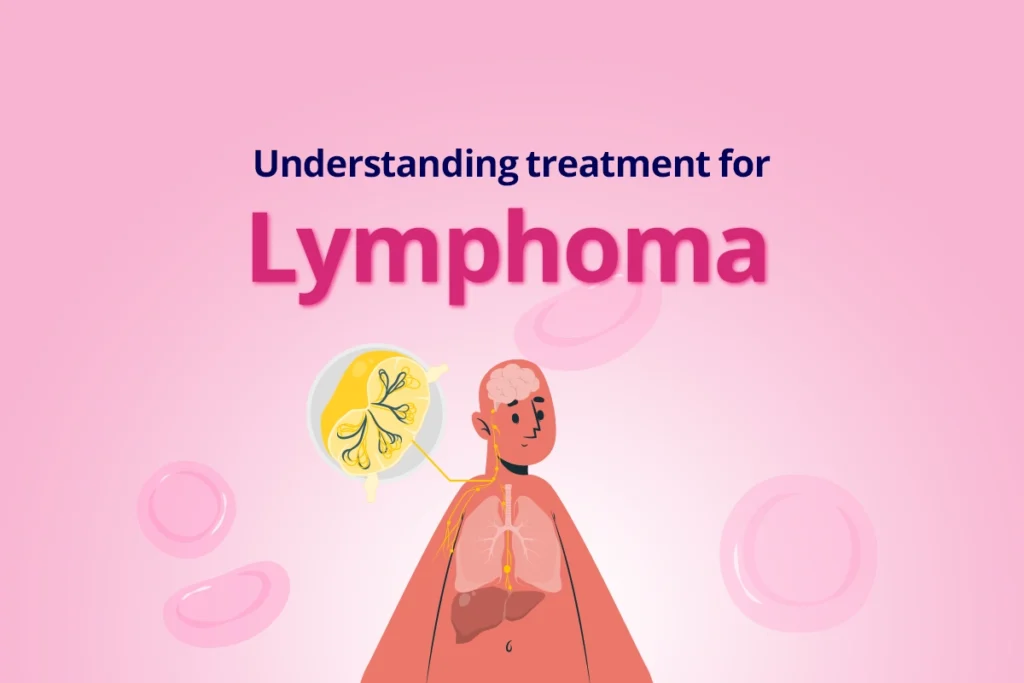
Understanding treatment for Lymphoma
The moment a physician mentions “lymphoma,” you might get scared and confused.
Suddenly, your vocabulary is filled with complex medical terms, and you feel lost and anxious.
If you or a loved one are facing this diagnosis, it is important to know all about how to treat this disease.
One of the most effective tools for treating lymphoma is chemotherapy. Even though the idea of starting treatment can be scary, understanding the process is the first step toward taking back control of your health.
The first thing to keep in mind is that lymphoma is a highly treatable form of cancer. When treated with modern chemotherapy in specialized centers, the path to remission is clearer than ever before.
What is Lymphoma?
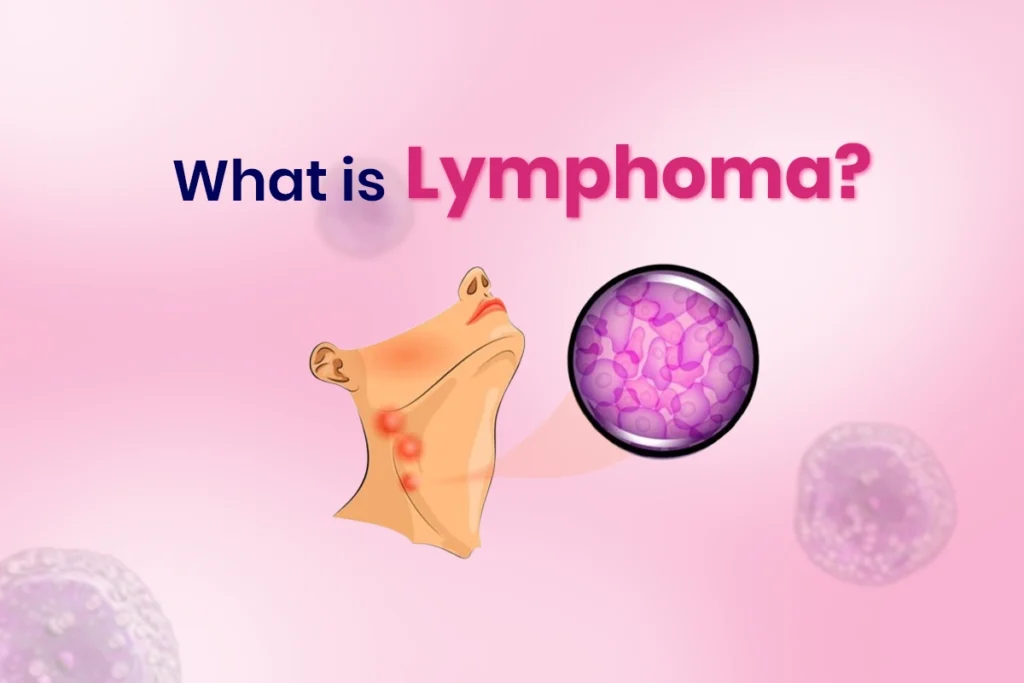
Lymphoma occurs when a white blood cell develops a “glitch” in its instruction manual (DNA). Instead of protecting you, the cell begins to multiply uncontrollably.
These multiplying cells don’t fight germs; they simply take up space, often causing the lymph nodes in your neck, armpit, or chest to swell.
Chemotherapy for lymphoma cancer is the process of clearing out those mutated, rapidly multiplying cells.
What is Chemotherapy?
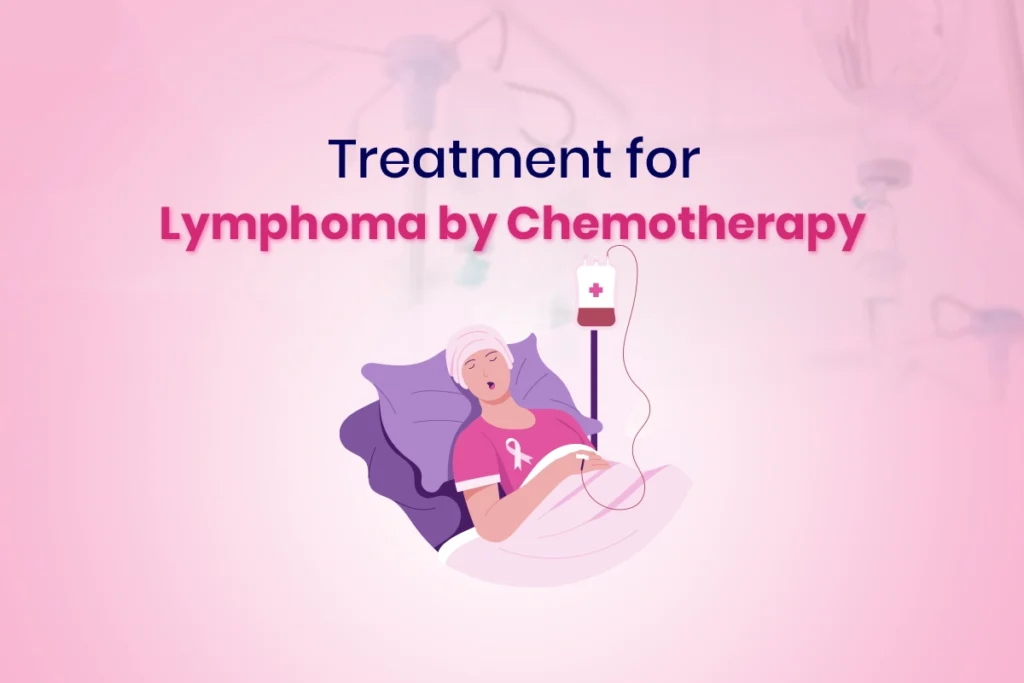
Chemotherapy is a systemic treatment that uses cytotoxic drugs to kill cancer cells by stopping them from dividing.
These drugs travel through the bloodstream to reach cancer throughout the body, damaging the DNA of fast-growing cells.
Because cancer cells replicate much faster than normal ones, they are more affected by the treatment, though some healthy cells may also be impacted.
Treatment for Lymphoma by Chemotherapy
To understand how chemotherapy treats lymphoma, it is helpful to first understand the role of your immune system.
The Role of Lymphocytes
Your body produces white blood cells called lymphocytes. These cells are responsible for identifying and destroying pathogens, such as bacteria and viruses, to keep you healthy. In lymphoma, these cells become cancerous and can spread throughout the body
Why Chemotherapy?
You may wonder why chemotherapy is preferred over surgery for this type of cancer. The lymphatic system is a network of vessels that reaches nearly every part of the body. Because of this, cancerous lymphocytes can circulate and settle in areas that are too small for medical imaging to detect.
Chemotherapy is a systemic treatment, meaning the medication enters the bloodstream and travels throughout the entire body. Unlike surgery, which targets a specific spot, chemotherapy identifies and destroys cancer cells regardless of their location.
Modern Treatment Protocols in 2026
In Thailand, hospitals use the latest drug combinations, such as
R-CHOP: A standard for many types of lymphoma.
ABVD: Commonly used for Hodgkin’s disease.Targeted Therapy: Often combined with chemo to attack specific proteins on the cancer cells, leading to better non-Hodgkin’s lymphoma survival rate outcomes.
Your Medical Journey in Thailand
When local healthcare systems face long waiting lists or lack access to the latest biological drugs, patients look to Thailand. JCI-accredited facilities like Bangkok Hospital (Wattanosoth Cancer Hospital) or Bumrungrad International offer a level of care that is both advanced and affordable.
Why Patients Choose ThaiMedics for Thailand?
Zero Wait Times
You can often begin your first cycle of lymphoma chemotherapy treatment within days of arrival.
Precision Oncology
Access to genetic profiling and advanced PET/CT scans that ensure the most accurate staging.
Cost Efficiency
Treatment in Thailand can be 40-70% less expensive than in the US or Europe, without sacrificing quality.
Preparation Checklist for Lymphoma Patient
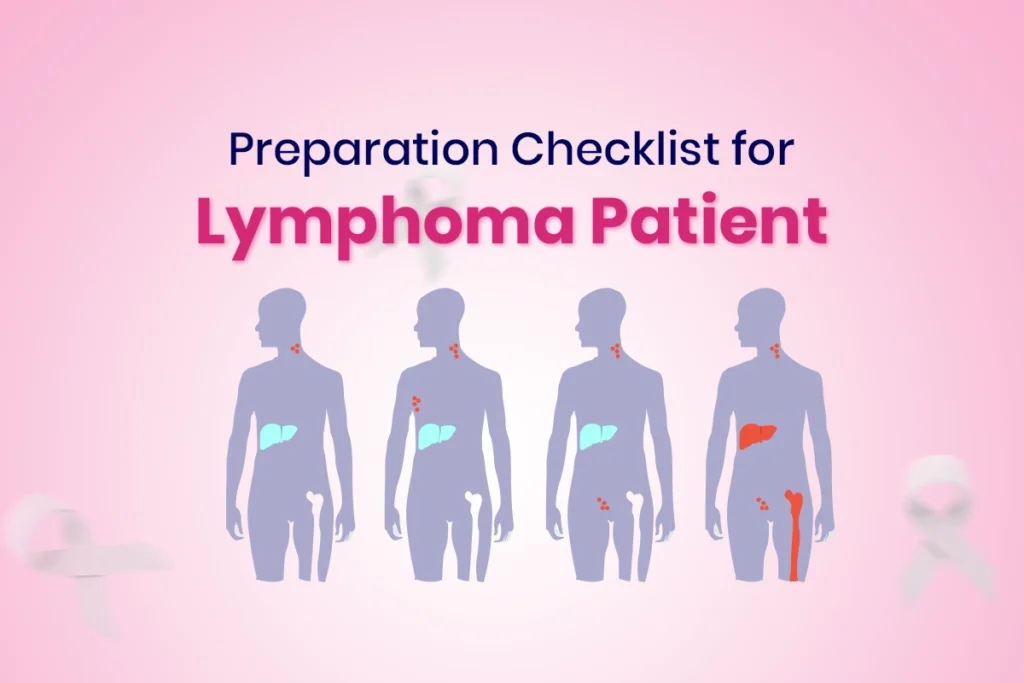
Success in treatment starts with preparation. Use this chemotherapy checklist to ensure you are ready for the journey:
Medical Records
Gather all biopsy reports, PET scan discs, and a list of current medications.
Dental Clearance
Visit a dentist before you prepare for lymphoma chemo to ensure you have no active gum infections.
Pack Comfortable Clothing
Pack a soft blanket, noise-canceling headphones, and loose, comfortable clothing with easy access to your arms or chest.
Support System
Identify who will be your primary caretaker. ThaiMedics helps facilitate visas for your companions so you are never alone.
Managing Side Effects of Chemotherapy for Lymphoma
Most side effects of chemotherapy for lymphoma occur because the medicine targets fast-growing cells. These cells include your hair and stomach lining.
Nausea
Modern Thai oncology uses highly effective anti-nausea medications. Small, frequent meals of bland food often help.
Hair Loss
This is a temporary sign that the medicine is working. Your hair will grow back once the cycles are complete.
Infection Risk
Your white blood cells will be low. During your stay in Thailand, ThaiMedics helps you choose “safe” recovery hotels with high hygiene standards.
Fatigue
Listen to your body. Balance rest with very light movement, like a short walk in a shaded park.
Your Steps Towards Recovery
Recovery is not a single event; it is a gradual process. As your chemotherapy for lymphoma cycles finishes, your focus shifts to rebuilding.
Nutrition
Focus on high-protein foods like eggs, chicken, and legumes to help your body repair tissues.
Follow-up Scans
In Thailand, doctors use PET/CT scans to confirm that the cancer is in remission.
Mental Health
The emotional toll of cancer is real. Many Thai hospitals offer integrated wellness programs, including meditation and counseling, to support your mind as well as your body.
Wrapping Up
Facing a lymphoma diagnosis might be the start of a difficult chapter in your life. However, it is not the end of your story. With world-class oncology treatment in Thailand and the professional coordination of ThaiMedics, the path to recovery is simpler than it had ever been before.
Geography should never be a barrier to life-saving care. ThaiMedics manages all the complexities of your medical travel in Thailand so that you can focus on your recovery.
FAQ
1. Is lymphoma considered a “blood cancer”?
Yes. Lymphoma is a type of blood cancer that develops in the lymphatic system. Since it travels through the lymph fluid, chemotherapy for lymphoma cancer is used to treat the whole body at once.
2. What is the difference between Hodgkin and non-Hodgkin lymphoma?
The main difference is the type of lymphocyte involved. Hodgkin’s disease is characterized by “Reed-Sternberg” cells and usually spreads in an orderly way. Non-Hodgkin’s is a broader category involving different types of cells and more varied spread patterns.
3. How long does a typical course of treatment last?
Most patients undergo treatment for 3 to 6 months, given in cycles (treatment days followed by rest days).
4. How soon can I start treatment in Thailand?
Through ThaiMedics, we can often schedule your first oncologist appointment and diagnostic tests within 3 to 5 business days of your arrival in Bangkok.