
Most people don’t think about their kidneys at all—until something feels wrong. And that’s part of the problem with kidney cancer. In many cases, it doesn’t cause obvious symptoms early on. A lot of people only discover it by accident, during a scan for something completely unrelated.
The reassuring part is this: when kidney cancer is found early, treatment usually works very well. Even when it’s diagnosed later, today’s treatments can often keep the disease under control and help people live well for years.
This guide walks through kidney cancer in a simple, practical way—what it is, how it’s treated, and what people can expect if they choose treatment in Thailand.
Understanding Kidney Cancer
Kidney cancer starts when cells inside the kidney begin growing in an uncontrolled way. The most common type is called Renal Cell Carcinoma, and it accounts for most adult cases. There are other types too, and they don’t all behave the same way. That’s why doctors take diagnosis so seriously before recommending any treatment.
Symptoms
Symptoms can be tricky. Some people notice blood in their urine. Others feel a dull ache in the lower back or side that doesn’t go away. Weight loss, tiredness, or just feeling “Off” can also happen. But in many early cases, there are no symptoms at all.
Risk Factors
Certain things raise the risk—smoking, being overweight, long-term high blood pressure, or a family history of cancer. Finding kidney cancer early makes a real difference, which is why hospitals in Thailand rely on detailed imaging and careful testing before deciding what to do next.
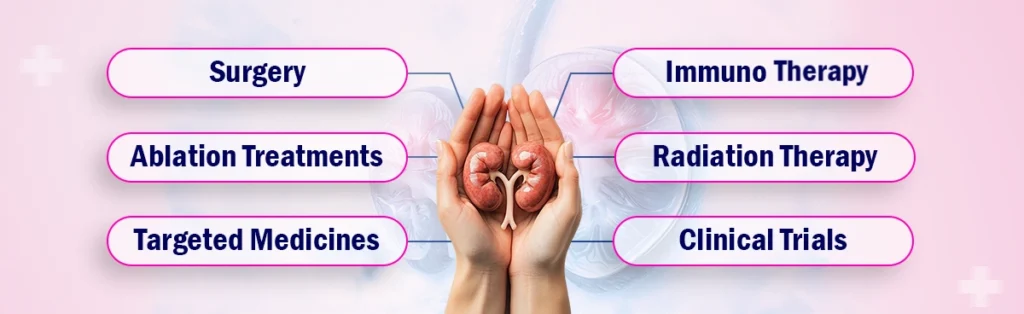
Treatment Options for Kidney Cancer
There’s no single treatment that fits everyone. Doctors look at the stage of the cancer, how big the tumor is, how well the kidneys are working, and the person’s overall health. Treatment plans often change over time.
Surgery
Surgery is still the most common treatment. Some patients only need part of the kidney removed, which helps preserve kidney function. Others need the whole kidney taken out. Many hospitals in Thailand use minimally invasive or robotic surgery, which usually means smaller cuts, less pain, and a faster recovery.
Ablation Treatments
For small tumors—or for people who aren’t good candidates for surgery—doctors may suggest ablation. This means destroying the tumor using extreme cold or heat, guided by imaging. These procedures are less invasive and don’t require large incisions.
Targeted Medicines
Targeted treatments work by blocking signals that cancer cells rely on to grow. These medicines are often used when the cancer has spread or when surgery alone isn’t enough. Some are taken as pills, others through injections, usually over a longer period.
Immuno Therapy
Immunotherapy helps the body’s own immune system recognize and attack cancer cells. It’s become an important option for advanced kidney cancer and is sometimes combined with targeted drugs to improve results.
Radiation Therapy
Radiation isn’t usually the main treatment for kidney cancer. Instead, it’s used to relieve symptoms—such as pain—or to treat cancer that has spread to areas like the bones or brain.
Clinical Trials
Some patients qualify for clinical trials, especially when standard treatments stop working. These trials offer access to newer therapies that are still being studied and may provide additional options.
Treatment Based on Cancer Stage
Stage 1
At this stage, the cancer is limited to the kidney. Surgery is often all that’s needed, and doctors usually try to save as much of the kidney as possible. Many patients choose minimally invasive surgery in Thailand. Thaimedics helps with medical records, scheduling, and travel planning.
Stage 2
Stage 2 tumors are larger but still confined to the kidney. Removing the entire kidney is more common here. Follow-up care is important, and Thai hospitals are used to coordinating long-term monitoring for international patients.
Stage 3
Here, the cancer has reached nearby blood vessels or lymph nodes. Treatment usually involves surgery along with medication such as targeted therapy or immunotherapy. These cases are more complex, so doctors work together as a team to plan treatment carefully.
Stage 4
At this stage, the cancer has spread to other parts of the body. Treatment focuses on slowing the disease and maintaining quality of life. Medications, symptom control, and sometimes clinical trials become part of the plan. Thaimedics often assists with longer stays, accommodation, and ongoing care coordination.
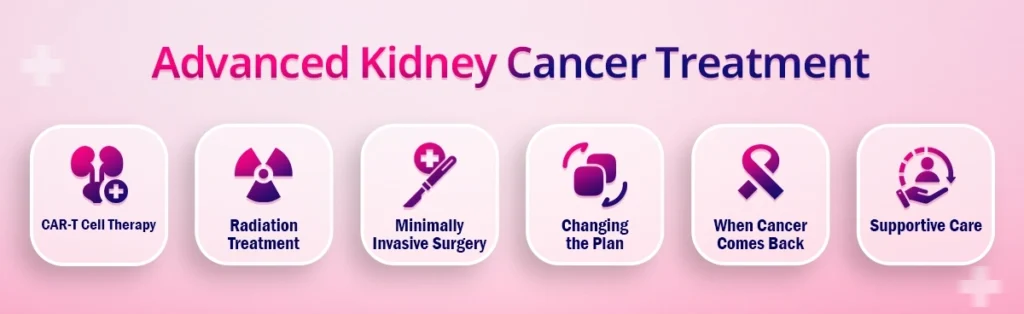
Advanced Kidney Cancer Treatment
When kidney cancer becomes advanced or returns after earlier treatment, the goal changes. Instead of trying to remove everything, doctors focus on controlling the disease and helping the patient feel as well as possible.
CAR-T Cell Therapy
CAR-T cell therapy uses the patient’s own immune cells. Those cells are taken out and adjusted so that it can better recognize cancer, and then put back into the body. It’s mainly used for certain blood cancers and has helped some patients when other treatments didn’t work.
Radiation Treatment
There are also newer radiation treatments, like CyberKnife and proton therapy. These treatments focus radiation more directly on the tumor instead of affecting a wide area. Because of that, many patients deal with fewer side effects.
Minimally Invasive Surgery
Minimally invasive surgery is another option for kidney cancer treatment. This involves smaller cuts and more precise tools, which can mean less pain afterward and a faster recovery.
Changing the Plan
Advanced cancer doesn’t stay the same. If one treatment stops working or causes tough side effects, doctors may switch approaches to find something that works better for the patient.
When Cancer Comes Back
If kidney cancer returns, doctors review past treatments and decide what makes the most sense next—whether that’s a new drug, immunotherapy, or radiation to manage symptoms.
Supportive Care
Giving support to manage pain, fatigue, and emotional stress is important as much as treating the cancer itself. Supportive care focuses on helping patients stay comfortable and maintain daily life alongside treatment.
Kidney Cancer Treatment Success Rate
A lot depends on timing. When kidney cancer is found early, treatment usually works very well. Many people go on to live full, normal lives after surgery or other treatment. Even stage 2 cases often have good outcomes when treatment starts without delay.
Things get more unpredictable in later stages, but treatment has come a long way. Newer medications and therapies are helping people live longer and feel better than they would have years ago. Age, overall health, and how the cancer responds to treatment all matter. What’s encouraging is that hospitals in Thailand see strong results, largely because of experienced doctors and access to modern treatment options.
Choosing the Right Treatment Plan
Treatment plans for cancer depend on a few key factors. Patients and their families often consider questions such as the cost of treatment, the hospital where care will be provided, the doctor’s level of experience, and the availability of advanced medical technologies. They also think about treatment outcomes, possible side effects, and how the treatment may affect daily life. All of these factors help guide decisions about the most suitable course of care.
Facing cancer decisions can feel overwhelming, especially if treatment means traveling to another country. That’s one reason many patients choose Thailand. Hospitals like Bangkok Hospital handle complex cancer cases every day, so this isn’t unfamiliar territory for them.For international patients, having support makes a big difference. Thaimedics helps take care of the practical side—setting up appointments, coordinating with hospitals, helping with travel plans, and staying involved during follow-up care. That way, patients and families can focus on health and recovery instead of paperwork and logistics.
Wrap Up
Kidney cancer is serious, but it’s far from hopeless. When it’s caught early, treatment is often straightforward and highly effective. Even when the disease is more advanced, today’s therapies can slow it down and improve day-to-day life.
Thailand continues to draw patients from around the world because of its skilled specialists, well-equipped hospitals, and supportive care environment. With treatment at places like Bangkok Hospital and coordination through Thaimedics, getting care doesn’t have to feel confusing or stressful.
Listening to your body and acting sooner rather than later can make a real difference—not just in treatment results, but in how life looks afterward.