
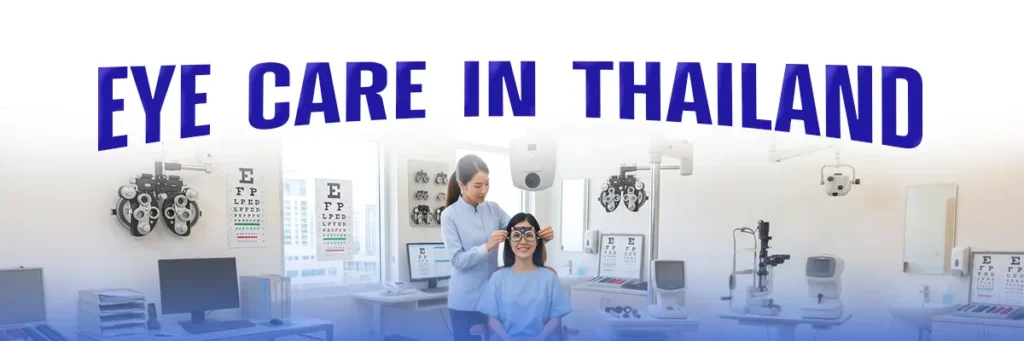
Eye surgery in Thailand has become a popular choice for people looking for high-quality treatment at affordable prices. Every year, international patients travel to Thailand for procedures that improve vision or treat serious eye conditions.
The country is known for experienced ophthalmologists, modern hospitals, advanced technology, and dedicated support for medical tourists throughout their treatment journey.
This guide explains the most common eye surgery procedures available in Thailand, including LASIK, SMILE, PRK, cataract surgery, glaucoma treatment, retina surgery, and corneal procedures. You’ll also learn about treatment costs, recovery times, leading eye hospitals, and how to prepare for your medical trip with confidence.
Why Patients Choose Thailand for Eye Care
Thailand is one of Asia’s leading destinations for medical tourism, offering high standards of eye care at costs that are often lower than in many Western countries. Patients choose Thailand not only for experienced eye specialists and modern technology but also for the convenience of international patient services. From the first consultation to follow-up care, many hospitals provide support that makes treatment easier for overseas visitors.
Many hospitals in Bangkok have dedicated eye centers equipped with advanced diagnostic and surgical technology. International patient teams help with appointments, language support, travel planning, and post-treatment care. This allows patients and their families to focus on recovery while receiving treatment in a safe and well-organized environment. Before choosing a hospital or surgeon, it helps to understand the different types of eye procedures available in Thailand.
Common Eye Surgery Procedures in Thailand
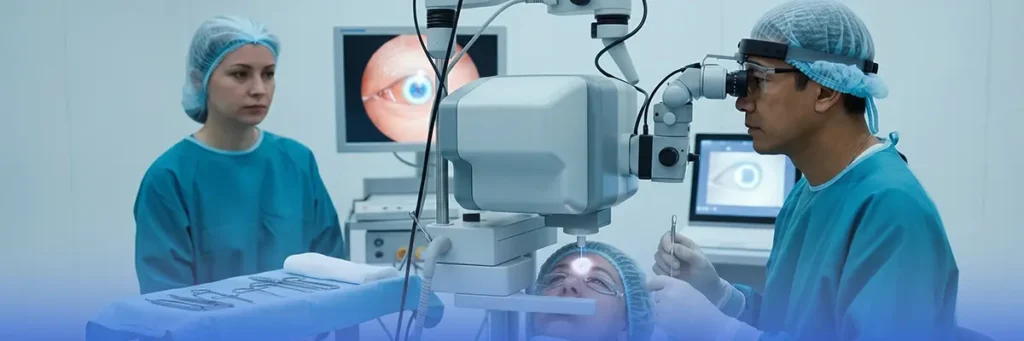
Thailand offers many types of eye treatment. Some improve vision. Others treat eye disease. The main options include LASIK, SMILE, PRK, cataract surgery, glaucoma care, retina surgery, and corneal care. The right choice depends on your eye problem. So, a full eye checkup comes first.
LASIK and Refractive Surgery
LASIK surgery in Thailand helps people with poor vision. It can reduce the need for glasses. It treats myopia, hyperopia, and astigmatism. Some patients with presbyopia may also get help.
This laser eye surgery in Thailand changes the cornea shape. The cornea is the clear front part of the eye. Refractive surgery in Thailand is not for everyone. Your doctor must check your eyes first.
They check your cornea and eye power. They also check dry eyes and eye health. If your eye power still changes, wait first. Your eye specialist in Thailand will guide you.
ReLEx SMILE Eye Surgery
SMILE eye surgery in Thailand is another laser option. It helps correct vision with a small cut. This method does not create a large flap. Some patients like this because it feels simple. It may suit some people better than LASIK. Still, only a doctor can confirm this. You need a full eye test first. The test shows if SMILE is safe for you.
PRK Eye Surgery
PRK eye surgery in Thailand also corrects vision. It works on the eye surface. Doctors may suggest PRK for thin corneas. It may help when LASIK is not right. PRK often needs more healing time. So, plan your stay with care. You may need more follow-up visits. This helps the doctor check your healing.
Cataract Surgery
Cataract surgery in Thailand helps people with cloudy vision. A cataract makes the eye lens cloudy. This can cause blurry vision and glare. It can also make night vision hard.
During surgery, the doctor removes the cloudy lens. Then they place an artificial lens. This lens is called an intraocular lens. Many people call it an IOL.
Lens type can change the final cost. Common choices include monofocal, toric, multifocal, trifocal, and EDOF lenses. Your doctor will suggest the best lens. It depends on your eyes and lifestyle. This is why cataract surgery costs in Thailand can vary. Each patient may need a different plan.
Glaucoma Treatment
Glaucoma treatment in Thailand protects the optic nerve. The optic nerve sends signals to your brain. High eye pressure can harm this nerve. This damage can lead to vision loss. Treatment may include drops, laser, or surgery. Some patients need long-term care. Follow-up visits are very important here. The doctor must check eye pressure often.
Retina Surgery
Retina surgery in Thailand treats the back of the eye. The retina helps you see light and detail. Retina problems can be serious. These may include retinal tear, retinal detachment, and diabetic eye disease.
Some patients need laser treatment. Others may need a surgery called vitrectomy. Retina recovery can take more time. Your travel plan must follow doctor’s advice.
Flying after eye surgery can be risky sometimes. This is true after some retina surgeries. If gas is placed in the eye, do not fly. Wait until your doctor says it is safe.
Cornea and Other Eye Procedures
Corneal transplant in Thailand helps damaged corneas. The cornea must stay clear for good vision. Some people need this for scars or a disease. Others may need it for keratoconus.
Thailand also offers pterygium surgery and strabismus surgery. Some patients need ptosis or eyelid care. These treatments are not the same as LASIK. So, cost and recovery can be different. Now, let’s talk about cost.
Eye Surgery Cost in Thailand

The costs of eye surgery in Thailand depend on many things. The type of surgery matters most. The cost of LASIK in Thailand is different from that of cataract surgery. Retina and cornea surgery can cost more.
Hospitals also affect the price, as do the doctor’s skill and the tools used. Some hospitals offer eye surgery packages in Thailand. These can help patients plan their budget. But packages are not always full. Some may not include special lenses or extra tests. So, ask what the price includes. Also, ask what it does not include.
Main Cost Factors
- Type of eye procedure
- One eye or both eyes
- Hospital or clinic level
- Doctor’s skill and experience
- Eye tests before surgery
- Lens implant type
- Laser technology
- Medicine and eye drops
- Follow-up visits
- Hotel and travel costs
Affordable eye surgery in Thailand can sound attractive. But low price should not be the only reason. Safety must come first. The doctor’s skill and aftercare matter a lot. ThaiMedics can help you understand the cost of eye treatment in Thailand. This helps you plan before traveling.
Recovery After Eye Surgery
Eye surgery recovery in Thailand depends on the procedure. LASIK and SMILE often heal faster. PRK can take more time. Cataract surgery recovery in Thailand is often smooth. Still, every patient heals in a different way. Age and eye health also matter.
Recovery after laser eye surgery may feel strange. You may feel dryness or light glare. You may also have blurry vision at first. This often gets better with time. For post-op eye care in Thailand, follow your doctor’s plan. Use your eye drops on time.
Do not rub your eyes. Also, avoid dust, swimming, and heavy work. Aftercare for eye surgery protects your result. It also lowers the risk of problems.
Simple Recovery Guide
- LASIK or SMILE: shorter recovery for many patients
- PRK: more healing time may be needed
- Cataract surgery: eye drops and follow-up matter
- Glaucoma surgery: eye pressure checks are needed
- Retina surgery: recovery may take longer
- Corneal surgery: healing can take more time
How Long Should You Stay in Thailand?
Your stay depends on the surgery. Some laser patients need a short stay. Cataract patients may need one follow-up visit. Some may need more time. Retina, glaucoma, and cornea patients may stay longer. These cases need closer care.
Keep extra days in your travel plan. This gives space for checkups. Travel after eye surgery needs medical advice. Do not book flights based only on price. Now, let’s talk about hospital choice.
Best Eye Hospitals and Specialists in Thailand
Thailand has many strong eye care options. Some are large international hospitals. Others are specialist eye hospitals. These focus mainly on eye care. People search for the best eye hospital in Bangkok. They also search for an international eye hospital in Bangkok.
They want safe care and trusted doctors. They also want clear support during travel. Rutnin Eye Hospital is a well-known eye hospital in Thailand. It offers care for cataract, LASIK, retina, glaucoma, and cornea problems.
You can learn more about Rutnin Eye Hospital in Bangkok. Bangkok Hospital is another major name. It offers eye care and surgery packages. Patients from Bangladesh can check the Bangkok Hospital support in Bangladesh.
Bumrungrad International Hospital also offers eye care. It is known to many international patients. TRSC focuses on LASIK and refractive surgery. It treats myopia, hyperopia, astigmatism, and presbyopia.
Some patients also look for JCI Eye Hospital Thailand. Others search for an ISO eye hospital in Thailand. These trust signs can help. But the doctor’s skill matters too. The best hospital depends on your case. Your diagnosis should guide the choice.
How to Choose the Right Eye Doctor

A good hospital is important. But the right doctor is just as important. Choose a doctor for your exact eye problem. A retina patient needs a retina specialist. A cataract patient needs a cataract surgeon. A glaucoma patient needs a glaucoma specialist. Ask simple questions before you book:
- What is my eye problem?
- Which surgery suits me best?
- What tests do I need?
- What does the package include?
- Is the lens implant included?
- How many follow-up visits do I need?
- When can I fly home?
- Who helps me after I return home?
Also ask about language support. An English-speaking ophthalmologist in Thailand can help. If needed, use an interpreter. This helps you understand the doctor better. Now, let’s prepare for the trip.
What To Prepare Before You Travel
Good prep can save time. It can also help the doctor plan better. Bring your old eye reports. Also, bring your glasses prescription and medicine list. If you have diabetes, bring those reports. If you have high blood pressure, bring those too.
Tell the doctor about past eye surgery. Also, share any current eye drops. For LASIK, contact lenses may need a break. Ask the clinic before you stop them. These steps make the visit smoother. They also help avoid delays.
Planning Your Eye Surgery Trip With ThaiMedics
Eye surgery in Thailand becomes easier with proper support. ThaiMedics helps patients plan the full journey. You can start with a medical consultation for the treatment. This helps you share reports and ask questions.
Then ThaiMedics can help with a doctor’s appointment in Thailand. This saves time and reduces stress. You can also ask for a telemedicine consultation before travel. This can help before you book flights.
For travel, ThaiMedics can help with medical visa processing for Thailand. They can also support hotel or apartment bookings near the hospital. After arrival, use an airport pickup service in Thailand. This makes the first day easier.
During hospital visits, a language interpreter for medical tourists can help. You can understand tests, advice, and next steps. After surgery, post-treatment support after surgery can help with follow-up. It can also help with reports and medical advice.
This makes medical tourism in Thailand for eye surgery more planned. It helps patients and families feel calm.
Safety, Risks, and Honest Expectations
Eye surgery can help many people. But no surgery is risk-free. LASIK may cause dry eyes or glare. Some people may see halos at night. Cataract surgery can have an infection or swelling risk. Serious problems are not common, but they can happen.
Glaucoma and retina surgery need more care. Some patients may need more than one treatment. Do not trust perfect-result promises. A safe clinic explains both benefits and risks. This article is for educational purposes only. It does not replace an eye doctor’s advice.
Ready to Plan Your Eye Surgery in Thailand?
Eye surgery can feel like a big step. But the right support makes it much easier. Thailand offers skilled eye doctors, modern hospitals, and trusted care for international patients. Still, your best option depends on your eye problem, budget, and recovery needs.
ThaiMedics can help you plan each step. You can share your reports, compare hospitals, book the right doctor, and get help with visa, hotel, pickup, interpreter, and aftercare. Do not guess your treatment plan. Get clear advice before you travel.
FAQs About Eye Surgery in Thailand
Many patients have small but important questions before they travel. These answers can help you plan better, avoid confusion, and ask the right things during your hospital visit.
Is Thailand good for eye surgery?
Yes, Thailand can be a good choice. It has modern hospitals and skilled eye doctors. It also has strong support for medical tourists. Still, your diagnosis should guide the choice.
How much does eye surgery cost in Thailand?
The price depends on the surgery type. LASIK, PRK, cataract, retina, glaucoma, and cornea care all cost differently. The final cost also depends on tests. Lens type and follow-up care can change it, too.
What is the best eye hospital in Thailand?
There is no one best hospital for everyone. Rutnin Eye Hospital, Bangkok Hospital, Bumrungrad, and TRSC are known names. The best choice depends on your eye problem. It also depends on the doctor you need.
Can I fly after eye surgery?
Fly only after your doctor says yes. This is very important after retina surgery. If gas is used in the eye, flying can be unsafe. Wait until the doctor clears you.
Does ThaiMedics help international patients?
Yes, ThaiMedics helps with the full journey. They support consultation, appointments, visa, hotel, pickup, interpreter, and aftercare. This can make the trip easier. It also helps families feel more prepared.