
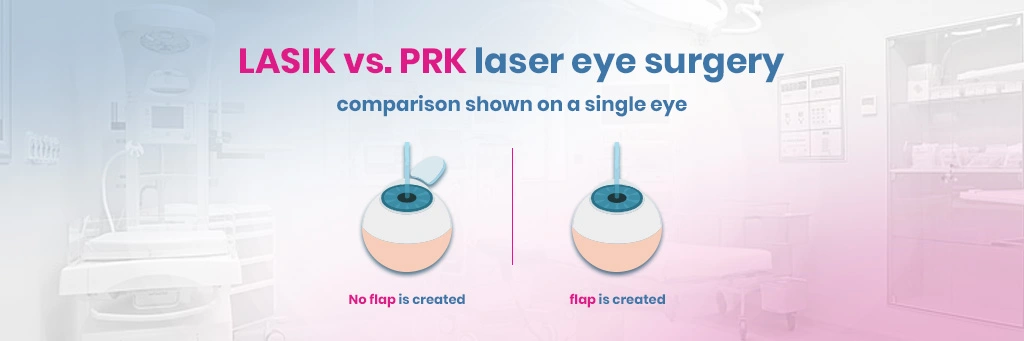
The right choice depends on your cornea and your daily life. LASIK heals faster, while PRK suits thinner corneas better. Both fix blurry vision with a laser.
Many people search for the LASIK vs. PRK answer every day. This guide breaks down both surgeries in plain words. You will learn the cost and recovery for each one.
Both surgeries reshape the cornea to fix refractive errors. They cut your need for glasses or contacts. Thailand also offers both at a lower price. Each surgery works in its own way. We can start with how LASIK reshapes your eye.
Thailand also offers both at a lower price, with advanced treatments available through eye care in Thailand.
What Is LASIK Eye Surgery?
LASIK is a laser surgery that reshapes the cornea. The name means Laser-Assisted In Situ Keratomileusis. It corrects blurry vision from common eye problems. First, the surgeon makes a thin corneal flap. A femtosecond laser or blade lifts this flap. The doctor then reshapes the tissue underneath.
An excimer laser removes microscopic tissue with light. The flap drops back and seals on its own. Most patients see well within a day or two. PRK reaches the same goal through a different path.
What Is PRK Eye Surgery?
PRK is a laser surgery with no corneal flap. The name means Photorefractive Keratectomy. It treats the same blurry vision as LASIK. Here, the surgeon removes the outer layer called the epithelium. No flap is created during this step. The excimer laser then reshapes the bare cornea.
A soft bandage contact lens covers the eye afterward. The thin outer layer grows back in a few days. PRK came first, years before LASIK existed. Now you know both methods, so we can compare them.
LASIK vs. PRK: The Main Differences
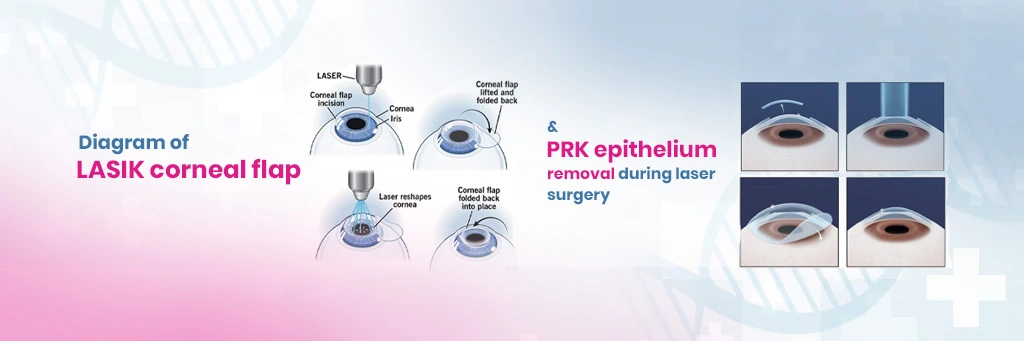
The main difference is the corneal flap. LASIK creates a flap, while PRK does not. That single fact shapes recovery and comfort. With LASIK, the flap acts like a natural bandage. So healing feels quick and almost painless. PRK skips the flap and heals from the surface.
Both surgeries use an excimer laser to fix vision. They treat myopia and hyperopia with ease. Astigmatism also responds well to both lasers.
The LASIK vs. PRK choice often comes down to your eyes. Thin corneas point many people toward PRK. Thicker corneas give LASIK more room to work.
Most patients reach 20/20 vision with either surgery. Long-term results stay very close between the two. Recovery time marks the biggest day-to-day gap. The steps of each surgery help explain why.
How Each Procedure Works Step by Step
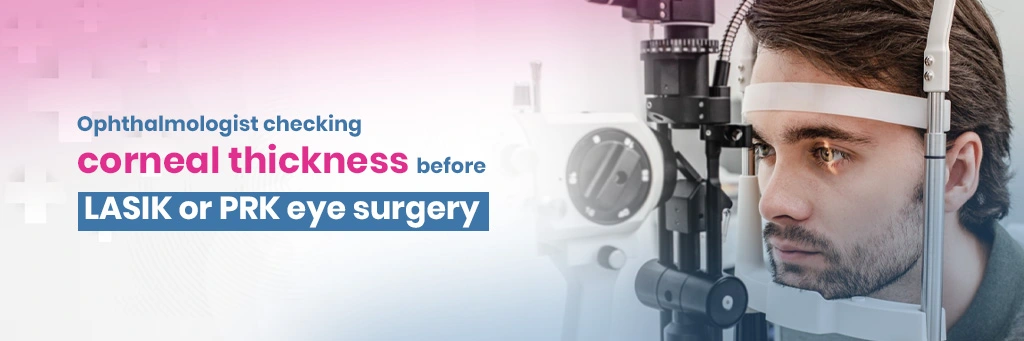
Although LASIK and PRK both use an excimer laser to correct vision, the steps are slightly different. The biggest difference is how the surgeon reaches the cornea before reshaping it. Understanding what happens before, during, and after surgery can help you feel more prepared and know what to expect. Careful preparation and proper aftercare are just as important as the procedure itself for achieving the best possible results.
Before Surgery: How to Prepare
Good preparation begins several days or even weeks before your procedure. Your eye doctor will perform a detailed examination to make sure your eyes are healthy and suitable for laser vision correction. Following the instructions before surgery helps improve accuracy and reduces the risk of complications during recovery.
- Contact lenses come off days to weeks before surgery.
- Makeup and lotion stay off your face that day.
- Your doctor runs a full eye exam and corneal scan.
- Someone you trust drives you home after surgery.
During the Procedure
The surgery takes about 15 minutes for each eye. Numbing drops keep you free from pain. A small holder stops you from blinking. With LASIK, the surgeon lifts a flap first. PRK instead removes the thin surface layer. The laser then reshapes the cornea in seconds.
After Surgery: Aftercare
LASIK seals on its own within hours. PRK needs a bandage contact lens for about a week. Both eyes get healing drops and gentle rest. Sunglasses protect your eyes from bright light. Eye-rubbing stays off the table during healing. PRK patients avoid strong sun for several weeks. Healing speed sets these two surgeries apart.
Recovery Time for LASIK and PRK
LASIK recovery takes one to two days for clear sight. PRK recovery takes about one to four weeks instead. Full healing for both can stretch over several months. After LASIK, most people see well within a few hours. They head back to work the very next day. Light driving often returns within a day, too.
Mild dryness or glare may bother you for a short while. These effects fade as the eye settles down. Most LASIK patients feel normal again within a week. PRK heals more slowly as the outer surface grows back. Vision sits near 70 percent healed after one week. It climbs to about 90 percent after one month.
The bandage contact lens comes off after about a week. Most PRK patients drive again within one to three weeks. Full clear sight can take three to six months. Each surgery brings its own pros and cons.
LASIK vs. PRK: Pros and Cons
Both surgeries carry clear upsides and trade-offs. This table makes the choice easier to see at a glance.
| Factor | LASIK | PRK |
| Recovery speed | Vision clears within hours | Vision takes weeks to clear |
| Comfort | Low discomfort after surgery | Eyes feel sore for a few days |
| Corneal flap | A hard blow could shift it later | No flap, so no flap risk |
| Thin corneas | Often not a safe fit | Strong fit for thin corneas |
| Dry eyes | Possible for a short while | Often handled better |
| Contact sports | Flap risk from hard hits | Safer for active lifestyles |
| Track record | Well-studied and very common | The original proven laser method |
Which Procedure Is Safer?
Both surgeries are safe with very low risk. Serious complications stay under one percent for each. PRK leaves no flap, so flap risk disappears. LASIK keeps a small flap risk over the years. A hard hit could move that flap much later.
Dry eyes can last a few months for some. Night glare or halos may show up soon after. Good aftercare keeps these problems rare. Cost often shapes the final call too.
LASIK vs. PRK Cost in Thailand
LASIK in Thailand costs around 1500 to 3400 dollars. PRK in Thailand runs about 1300 to 1800 dollars. These prices sit far below US clinic rates. US patients often pay 4000 dollars or more per eye. Thailand offers the same lasers for much less.
Many packages cover the tests and follow-up visits. Bangkok hosts top eye centers for foreign patients. Rutnin Eye Hospital handles huge surgery numbers each year. Rutnin Eye Hospital handles a large number of laser vision correction procedures each year.
Such volume builds great skill in laser vision correction. Lower cost here does not mean lower care. Modern lasers match the ones used in the West. Your eyes decide which surgery fits you best.
Bangkok hosts top centers, including many leading eye hospitals in Thailand.
Who Is a Good Candidate for LASIK or PRK?
Not everyone is a suitable candidate for laser eye surgery. The best procedure depends on several factors, including your eye health, corneal thickness, prescription, and lifestyle. A comprehensive eye examination helps your ophthalmologist determine whether LASIK or PRK is the safer and more effective choice. Understanding these factors can help you choose the treatment that offers the best long-term vision results.
When LASIK Works Best
LASIK works best for people with healthy, thicker corneas and a stable vision prescription. It is often the preferred option for those who want quick visual recovery and minimal discomfort after surgery. Most patients return to normal daily activities within a day or two, making LASIK a popular choice for busy professionals and anyone seeking a faster recovery.
- Thick, healthy corneas
- Stable vision prescription for at least one year
- Mild to moderate nearsightedness, farsightedness, or astigmatism
- People who want a fast recovery and quick return to work
- No significant history of chronic dry eye or corneal disease
When PRK Works Best
PRK is often recommended for people who may not qualify for LASIK because of thinner corneas or certain eye conditions. Since no corneal flap is created, PRK is also a better choice for individuals with active lifestyles or occupations where eye injuries are more likely. Although recovery takes longer, the long-term vision results are comparable to LASIK.
- Thin or slightly irregular corneas
- People with mild dry eye symptoms
- Athletes and people involved in contact sports
- Military personnel, police officers, and similar professions
- Patients who are not suitable candidates for LASIK
Who Should Avoid Both for Now
Some people should delay or avoid laser vision correction until their eyes or overall health become more stable. Performing surgery under certain conditions may increase the risk of complications or reduce the quality of the final results. Your ophthalmologist will recommend waiting or exploring other vision correction options if these factors apply to you.
- Keratoconus or other progressive corneal diseases
- Pregnancy or breastfeeding due to temporary vision changes
- Uncontrolled autoimmune disorders or diabetes
- An unstable glasses or contact lens prescription within the past year
- Age under 18, when vision may still be changing
- Active eye infections or significant inflammation
Athletes and people with physically demanding careers often require additional consideration when choosing between LASIK and PRK. Because these groups have unique vision and safety needs, it’s worth looking at how each procedure performs in active lifestyles.
LASIK vs. PRK for Athletes and Active People
PRK often wins for athletes in contact sports. No flap means no risk of flap damage from hits. The LASIK vs. PRK call leans on your sport here. Boxers and fighters face frequent eye contact. Police and military roles can carry similar risks. PRK protects these people from flap trouble.
Some careers set their own vision rules, too. Pilots and officers should ask about job standards first. A surgeon can match the surgery to your work. Newer surgeries also exist beyond these two.
Other Vision Correction Options to Know
SMILE and ICL give two more vision paths. The first uses a tiny cut instead of a flap. ICL places a soft lens inside the eye. SMILE suits mild to high nearsightedness in many cases. It brings less dryness than standard LASIK for some. Thailand clinics offer SMILE with modern lasers too.
ICL helps people with very high prescriptions. It works when thin corneas block laser surgery. Monovision can also help readers over age 40. The smartest move is a full eye exam first.
How to Choose the Right Eye Surgery for You
You choose by testing your eyes with a specialist. The exam reviews cornea shape and thickness. These results guide the LASIK vs. PRK decision for you. First comes a test called corneal topography. This scan maps the exact shape of your cornea. Next comes pachymetry, which measures corneal thickness.
Thin readings often push the choice toward PRK. Thick readings open the door to LASIK. A dry-eye test shapes the plan as well.
Good guidance matters as much as good gear. Your eyes deserve trusted eye care services in Thailand before any final choice. A caring team explains each step in clear words. Many common questions come up before surgery.
ThaiMedics connects patients with experienced specialist doctors in Thailand for personalized eye treatment.
Frequently Asked Questions
People often ask the same things before laser surgery. Here are clear answers to the top questions.
Is PRK more painful than LASIK?
PRK feels more sore in the first few days. The open surface heals slower, so it aches a bit.
Does PRK give the same results as LASIK?
Yes, PRK gives the same long-term vision as LASIK. Both reach 20/20 vision for most healthy patients.
Can I get LASIK with thin corneas?
Thin corneas often rule out LASIK for safety. PRK or ICL can still give you clear vision.
How soon can I drive after PRK?
Most people drive again within one to three weeks. Your doctor clears you once your vision feels stable.
How long do LASIK and PRK results last?
Both results last for many years or for life. A small number of people need a touch-up later.
Is laser eye surgery affordable in Thailand?
Yes, Thailand offers laser surgery at low prices. Patients save 40 to 60 percent versus Western clinics.
Book Your LASIK or PRK Consultation in Thailand
Clear vision could be one short trip away. The right surgery frees you from glasses and daily contacts. Your LASIK vs. PRK choice deserves expert hands and honest advice.
ThaiMedics connects you with the best eye hospitals in Thailand. Our team works with trusted surgeons at Rutnin and Bangkok Hospital. We plan your consult, your travel, and your recovery care.
You skip long waitlists and high Western prices. The same modern lasers cost far less here. Skilled doctors guide every step in clear, simple words.
Your eyes carry you through every single day. They deserve safe care from a proven medical team. You can book a consultation with ThaiMedics today. Clearer days could be closer than they seem.