
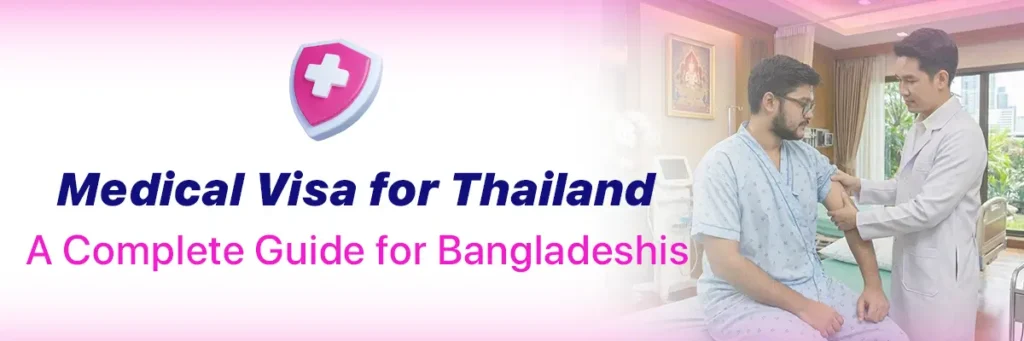
Thinking about traveling to Thailand for medical care is a big step. It is a journey filled with hope for great treatment. But it can also come with a lot of stress from planning. While your health is the main focus, the first important step is getting the right visa.
This guide is here to help you. We will walk you through everything, step by step. Our goal is to make it all clear and simple for you. Getting a Thai medical visa from Bangladesh can be easy when you have the right information.
Why a Specific Medical Visa is Essential (And Not a Tourist Visa)
Before we look at the documents, it is very important to know why you need a special visa for medical care. This will help you avoid problems later on.
The visa you need has an official name. It is the Non-Immigrant Visa Category “MT.” This name tells the Thai government exactly why you are visiting their country. It is made just for patients.
This “MT” visa is for people who are seeking treatment at a registered hospital in Thailand. Its main benefit is that it lets you stay longer. You can usually stay for up to 60 days. If your doctor says you need more treatment, you can even ask to extend your stay.
Some people think about using a tourist visa to save time. This is not a good idea. A tourist visa is for vacations, not for hospital stays. If your treatment takes longer than expected, you could face problems with the hospital or with Thai immigration. Using the correct medical visa makes your journey smooth and worry-free.
The Key Players: Understanding Who Needs What
The visa process involves more than just the patient. It is helpful to know the roles of each person traveling. This makes it clear what everyone needs to prepare.
The Patient (The Primary Applicant)
The patient is the main person applying for the visa. Their application is all about their medical condition and their plan for treatment in Thailand.
The most important paper for the patient is an official letter from a Thai hospital. This letter must confirm the treatment plan. It connects the patient directly to a respected hospital, which is very important for the visa application.
The Companion (The Family Attendant)
Often, a family member travels with the patient to give support. This person is called a companion or an attendant. They need their own visa to travel.
The companion applies for a Non-Immigrant Visa Category “O.” This visa is for family members who are joining the patient. To get this visa, you must be an immediate family member. This means you are a spouse, a child, or a parent of the patient.
The most important document for the companion is proof of their relationship. This can be a marriage certificate or a birth certificate. Also, the companion’s name must be written on the patient’s hospital invitation letter.

The Ultimate Checklist: Required Documents for the Thai Medical Visa from Bangladesh
Having the correct paperwork is the most important part of a successful application. A small mistake can cause delays. Here is a clear checklist to help you get everything right.
Core Documents for Every Applicant (Patient & Companion)
Everyone who applies for a visa needs these basic documents. Make sure you have them ready for both the patient and the companion.
- Valid Passport: You need your original passport. It must be valid for at least six more months from your travel date. Also, make sure it has at least two blank pages for the visa sticker.
- Visa Application Form: You must fill out the official form, which is called the TM.87 form. Fill it out completely and sign it. The information must be correct and match your passport.
- Photographs: You will need two recent, passport-sized photographs. The photos must have a white background. They should be clear and show your full face.
- Flight Itinerary: You need to show a confirmed flight booking. It should show your plan to travel to Thailand and then return to Bangladesh. You do not need to buy the ticket, just the booking confirmation is enough.
- Proof of Accommodation: You must show where you will stay in Thailand. This can be a hotel booking confirmation. It shows the embassy that you have a safe place to stay during your visit.
Critical Medical and Financial Proof
These documents are the heart of your medical visa application. They prove why you need to travel and that you can afford the trip.
- The Hospital Invitation Letter: This is the most important paper for your application. It must be an original letter from the hospital in Thailand where you will get your treatment. The letter must have the patient’s name, details about the medical condition, and the doctor’s suggested treatment plan. It should also mention how long the treatment might take and give an estimated cost. This letter is the foundation of your application. You can get this letter after arranging a doctor appointment with the right specialist.
- Local Doctor’s Letter: You will also need a letter from your doctor in Bangladesh. This letter should explain your medical condition. It should also state why your doctor recommends treatment in Thailand.
- Recent Bank Statements: You must provide your personal bank statements for the last six months. If a sponsor is paying for your trip, you will need their bank statements. This shows that you have enough money to cover the cost of your treatment and your stay.
- Bank Solvency Certificate: This is an official letter from your bank. It confirms your financial standing and that you have a good relationship with the bank. It adds more trust to your application.

The Step-by-Step Application Process in Dhaka
Once your documents are ready, it is time to apply. Following these steps will help make the process smooth and simple.
Step 1: The Initial Assessment
Before you start collecting papers, it is very important to understand your medical needs. You need to find the right hospital and the right doctor for your condition. A good first step is to get expert medical consultancy. This service helps you connect with the best specialists who can give you that all-important invitation letter.
Step 2: Document Compilation
Now, use the checklist above to gather all your documents. It is a good idea to create a file and keep everything organized. Check every paper to make sure it is correct. Many patients find this step to be a lot of work. To avoid mistakes, some choose to get help with their complete medical visa processing. This ensures that every detail is perfect before you submit your application.
Step 3: Submission at VFS Global
The Royal Thai Embassy in Dhaka does not accept visa applications directly. They work with an official partner called VFS Global. You will need to go to the VFS Global center in Dhaka to submit your application file. You will also give your fingerprints and photo there.
Step 4: Tracking and Collection
After you submit your application, you can track its progress online. The typical visa processing time is about 5 to 7 working days. Once your visa is approved and stamped in your passport, you will get a notification to collect it from the VFS Global center. This final step in the Thai medical visa Bangladesh application brings you one step closer to your treatment.

Beyond the Visa: Planning a Smooth Medical Journey
Getting your visa is a big success. It is the key that opens the door to your treatment. Now, let’s make sure the rest of your journey is just as smooth and stress-free.
Your Travel and Arrival
For some patients who are very ill, a regular commercial flight is not a safe option. In these urgent situations, there are specialized air ambulance services available. These services provide a safe and quick transfer with a medical team on board.
When you arrive in a new country, feeling tired is normal. It is a good idea to plan your arrival carefully. It is very helpful to pre-book your stay. Finding suitable hotel accommodation near your hospital can make your first few days much more comfortable.
During Your Treatment
It is very important that you understand your doctors and nurses clearly. Good communication helps you feel more in control of your health. If there is a language barrier, it can feel a little scary. To help with this, you can use a professional language interpreter. This person can join you during your doctor visits to translate everything for you.
After You Return Home
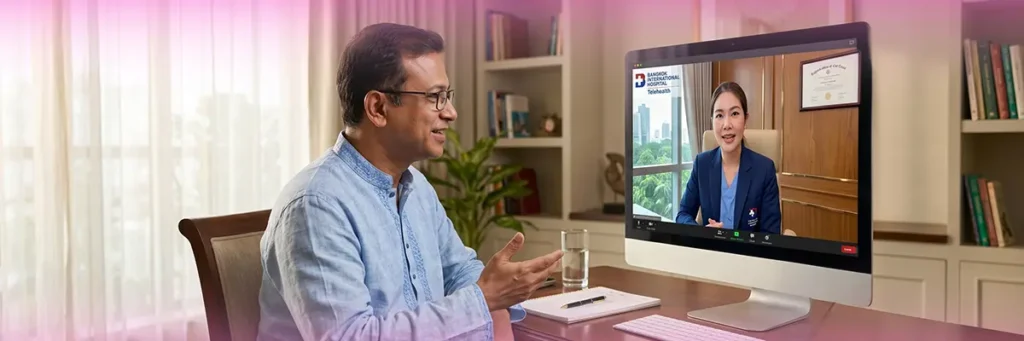
Your care journey does not end when you leave Thailand. It is important to continue your recovery back in Bangladesh. You can stay in touch with your Thai doctor through online video calls. This service is called follow-up via telemedicine. It lets you get advice from your doctor without traveling. Having continuous post-treatment support ensures that you always have someone to turn to with questions about your recovery.
Conclusion: Your Partner for a Stress-Free Process
So, let’s bring it all together. The Thai medical visa process may seem like it has many steps, but it is a clear path. When you know what to do and prepare your documents carefully, it becomes a manageable task.
Being well-prepared is the real key to success. A well-planned approach to the Thai medical visa Bangladesh process changes a stressful task into a confident first step. It allows you to begin your journey to Thailand with peace of mind, ready to focus on healing.
FAQs
Q1: How much is the Thai medical visa fee for Bangladeshis?
The visa fee can change, but it is usually around 7,000 BDT for a single entry medical visa. This fee must be paid when you submit your application, and it is non-refundable.
Q2: How long does the visa processing take in Bangladesh?
The average processing time is 5 to 7 working days. However, it is always smart to apply at least 2 to 3 weeks before your planned travel date, just in case there are any delays.
Q3: Can I extend my medical visa in Thailand?
Yes, you can. If your doctor says you need more treatment, you can apply to extend your visa. You will need a new letter from your hospital. You can submit this at a Thai Immigration office in Thailand.
Q4: What if my financial sponsor is in another country?
That is okay. If someone else is paying for your trip, like a family member abroad, you will need a sponsorship letter from them. You will also need to provide their passport copy and their financial documents, like their bank statements.